

Once We Were Held – SHARP
Co-commissioned with Flamm, SHARP presents their new immersive installation in St Petroc’s Church in Bodmin, Cornwall.
Co-commissioned with Flamm, SHARP presents their new immersive installation in St Petroc’s Church in Bodmin, Cornwall.

Ieva Sudargaite Douaihi presents new work in response to a time of mass displacement in Lebanon, continuing the twinning and solidarity between OUTPOST in Norwich and Takeover Beirut.

We warmly invite you to a workshop as part of [...]

Responding to the Refugee Week 2026 theme of ‘courage’, and the Choose Love and Creative Visions themes ‘unique and united’ artist Malak Mattar has created a new installation in collaboration with young people from Ukraine and Greece.

An audio-visual installation and community project by artist Kadir Karababa that explores how music carries memory, identity and a sense of home across borders.

Join artist Fozia Ismail for the opening conversation of A Song for the Xeedho – the Knot Makers, her new commission for Backyard Biennial: East.

A special guided tour for invited artists and producers to view the Whitechapel Backyard Biennial.

Join a conversation exploring what we inherit through sound as part of To Re-Cite, a newly commissioned project by artist Aliaskar Abarkas exploring sound, music, and listening through faith and collective experience.

Discover the sounds and stories that have shaped A Song for the Xeedho in this listening session and conversation with researcher Ibrahim Hirsi.

Layla Mahmood, East Africa Correspondent for The Observer, joins Mohammed Elnaiem from The Decolonial Centre for a conversation on climate, censorship and environmental change in East Africa.

Join artist Fozia Ismail and Orsod Malik, Executive Director of the Stuart Hall Foundation, for a conversation marking the final event in the A Song for the Xeedho public programme.
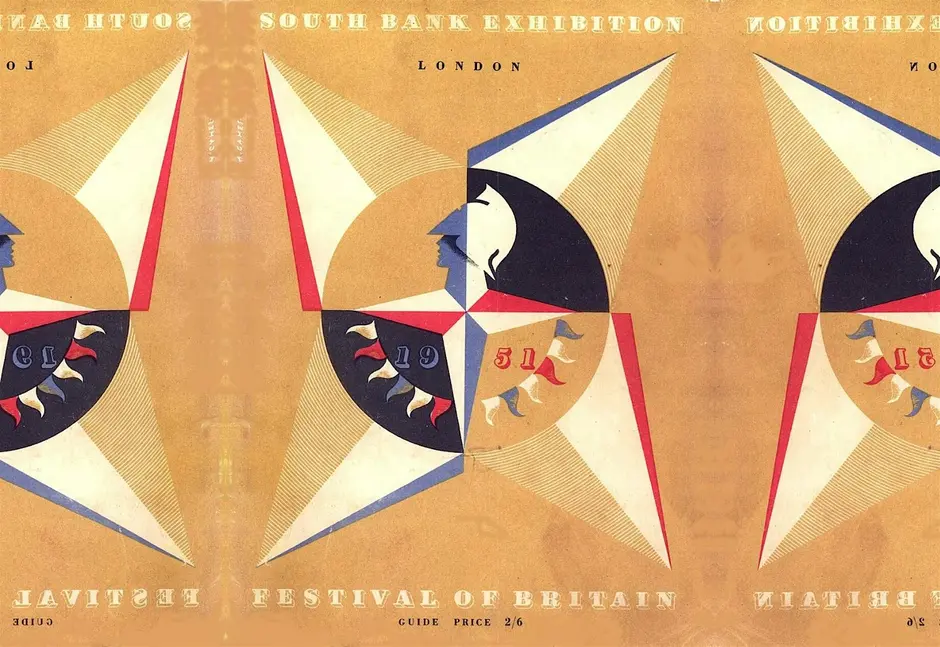
Scheduled to coincide with the 75th anniversary of the Festival of Britain, this one-day symposium will explore an important but still widely overlooked aspect of the Festival and its legacy: namely, the disproportionately large creative input of those from (mostly) Jewish immigrant families and of former refugees from Nazism.


Counterpoints Arts is a company limited by guarantee no. 8062988 & Charity no. 1150079 © 2026 Copyright: Counterpoints Arts